 Boston Injury Lawyer Blog


As Christmas approaches, you might find yourself rushing to the nearest toy store to find the perfect gift for a child in your life. However, before you walk out of the store with your purchase, you want to make sure that the toy on the child’s wish list isn’t a hazard. Each year, thousands of children are treated at emergency rooms for injuries caused by toys. Hundreds of toys are also recalled every year because of safety issues. When you buy a toy for a child, you should pay special attention to what you are purchasing, including the recommended age and any warnings. Remember that young children are particularly at risk of asphyxiation caused by toys with small, detachable parts. Toys with easily accessible batteries or magnets are also choking hazards for young children. Plastic or glass toys that break easily can cause injuries as well. Flammable materials, toxic substances, and sharp edges are all examples of poor design that puts your child at risk. Adhere to the manufacturers’ warnings and instructions, and provide supervision when necessary. You can also check annual reports, such as “Trouble in Toyland”, for a list of toys that could be dangerous for children. Though you should do everything you can to ensure the child’s safety, ultimately, it is the product manufactures designers, distributors, and sellers who are responsible for the toy.
Under Massachusetts product liability laws, these parties have the duty of creating and distri buting safe products. They are also responsible for providing a warning of the toy’s dangers if any exist. Product liability laws cover three kinds of product defects: flawed product design, when a toy is improperly designed; manufacturing process error, when the toy is manufactured differently than it was designed; and marketing defect, when a toy does not have the proper instructions or warnings for its safe operation. Even when none of these defects apply, products liability law holds manufactures and sellers liable if a product is dangerous or defective enough to cause injury or death.
Continue reading
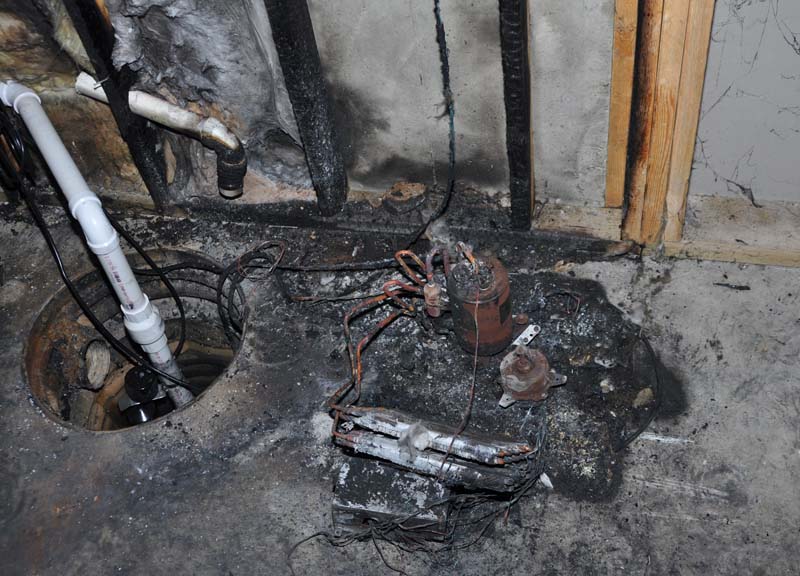 Product manufacturers, designers, distributors, wholesalers, and sellers are liable for making sure that their consumer products are not only manufactured correctly, but are safe for consumption or use. The scope of those injured or killed by consumer products is overwhelming; and the CPSC estimates that tens of thousands of people fall victim to various types of faulty consumer products each year-from children’s toys to automobiles to household appliances. When merchants fail to fulfill this obligation, and someone is seriously injured or is killed, the injured victims and their family members are entitled to file a claim against responsible parties.
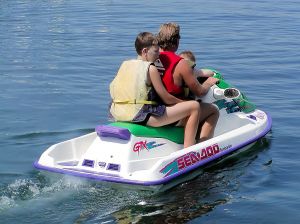 Watercraft and motorboat incidents happen all the time for a variety of reasons. While human error is usually to blame, people do not often think about the mechanical dangers of watercraft and boats, and often these mechanical failures blindside victims. What may start out as a fun day out on the water, can end in tragedy. When a jet ski accident does occur, the machine itself must be thoroughly inspected. Investigators often cite mechanical errors, design flaws, or other safety malfunctions as the causes of many of these types of crashes. Some of these types of safety issues may include complications with the propeller, gross overpowering or issues with the throttle, as well as issues with the fuel line.
 When incidents like this occur, the first questions people usually ask are “Why did this happen?” and “Who is responsible?” People are also concerned about how the incident could have been prevented and how future similar incidents could be prevented. Referring back to an earlier blog we posted about fan injuries in stadiums, there are several things that can explain the legal responsibility a stadium owner has to a fan that has been injured while at the vicinity.
 Dzemilia Heco, 51, was left quadriplegic when the 2000 Dodge Neon she was driving was rear-ended in August, 2007. The driver’s seat, which was manufactured by Johnson Controls, Inc., collapsed, causing Heco to suffer from severe spinal-cord injuries.


